Key Takeaways
- The main sign of a bad starter is an engine that won’t crank, even when the dashboard has power. Other common symptoms include clicking or grinding noises, failure to start during a jump, and smoke or a burning smell.
- A weak battery can cause similar symptoms, while an alternator problem usually prevents the battery from staying charged. If your battery voltage is normal and your alternator charges the battery while the engine is running, your starter is probably the issue.
- Electrical failures, fluid contamination, and worn-out parts are common culprits of starter issues.
- Repeated attempts to start, smoke, burning smells, or a vehicle that won’t crank during a jump-start are reasons to seek a professional diagnosis. Temporary fixes may help in a pinch, but professional service is the long-term solution.
- Firestone Complete Auto Care offers starter inspections and professional repairs.
Are you wondering how to tell if your starter is bad? Starter issues are more common than you might think, but they’re often mistaken for battery or ignition problems. Read on to learn how to recognize the signs of a bad starter and what you can do about it.
What Is a Starter and Why Does It Matter?
The starter motor is a small but powerful component that uses battery power to start your engine. A starter relay helps transmit that power. Without a properly working starter relay and motor, your vehicle may not start at all, leaving you stuck until it’s inspected or repaired.
Where Is the Starter Located?
Starters are usually located on the passenger side of the engine, just below the exhaust manifold in rear-wheel-drive vehicles. On front-wheel-drive vehicles, check the driver's side above the transmission or under the exhaust manifold. Some vehicles place the starter just under the intake manifold, though this setup is fairly rare.
Note: Always consult your vehicle’s service and owner’s manuals before attempting to access or test the starter.
How Can You Tell a Bad Starter From a Bad Battery?
The easiest distinction is whether the engine cranks and whether the battery has enough power. A bad battery commonly causes weak or rapid clicking, dim lights, or a vehicle that starts without issue during a jump-start. A bad starter, on the other hand, typically leaves the vehicle with normal voltage levels but no engine crank, so a jump from another vehicle usually won’t help it start.
Want to rule out a bad battery or alternator? Read our blog post, “Bad Alternator vs. Bad Battery: What's the Difference?”
Questions to Ask Yourself When Pinpointing Bad Starter Symptoms
1. Do I Hear Any Clicking, Grinding, or Whirring Noises?
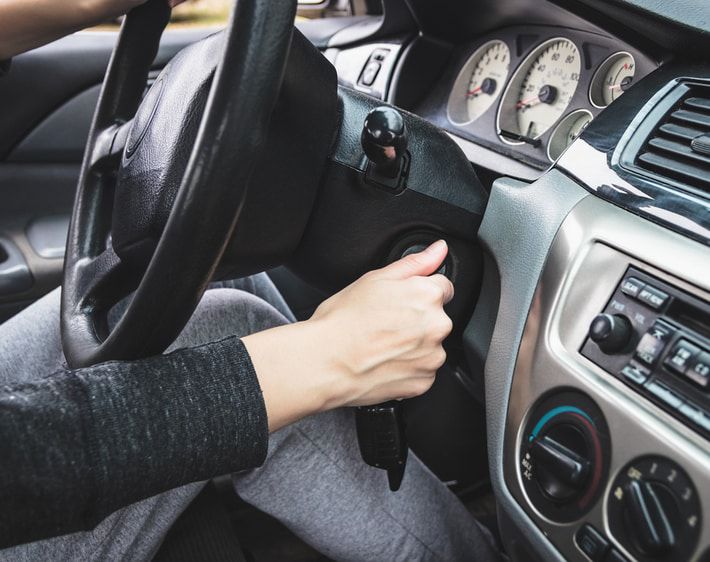
One symptom of a bad starter is a single click—or a series of rapid clicks—when you turn the key or press the start button. However, a starter can die without making any sound at all, or it may announce its impending death with whirring and grinding noises—so listen up!
2. Does My Dashboard Have Power?
If your dash lights come on but your engine doesn’t turn over, your starter could be the issue, even if your battery seems fine. Note that your dash requires only a minuscule amount of power, but your starter requires a huge, quick surge of power. So, don’t be too quick to condemn the starter without a full diagnosis.
3. Did a Jump-Start Help?
If you tried to jump-start your car and know the jumper cables are connected properly, but it still won’t start, the culprit may not be a dead battery. Instead, it might be a bad starter. If this happens, it’s likely time to get your car to the nearest Firestone Complete Auto Care. If a jump won’t start your vehicle, a certified technician can.
4. Is There Any Smoke Coming From the Car?
Repeated attempts to start a car with a failing starter can overheat the electrical system, causing smoke or burning smells. If you see or smell smoke, call for help and refrain from turning your key again.
5. Is My Starter Soaked in Oil or Another Fluid?
If you find that your starter is wet, you might have an oil leak or another type of fluid leak, which is common in older vehicles. Over time, that oil (or other automotive fluids) can cause the starter to fail.
What Causes a Starter to Go Bad?
Various problems can lead to a bad starter, including:
Age and Internal Wear
Starters experience stress every time you—or auto-start-stop systems—start the engine. Over time, this repeated stress creates normal wear and tear on internal starter parts. When this happens, worn parts like brushes, bearings, and gears can all affect the starter’s ability to reliably turn your engine over.
Starter Relay Failure
A faulty starter relay can prevent the starter from receiving the power it needs to operate. In some cases, a bad relay can also cause the starter to continue cranking after the engine starts. Because the relay plays an important role in delivering power through the starting circuit, relay failure often produces symptoms that resemble those of a bad starter.
Excessive Heat Exposure
High temperatures in the engine compartment can put additional strain on the starter and its electrical components. Repeated exposure to extreme heat can accelerate deterioration and shorten your starter's lifespan. In vehicles where the starter sits close to the exhaust system, this is an even more common cause of failure.
Electrical Problems
The starter relies on the vehicle’s electrical system to receive sufficient power. Loose wires can disrupt the starter’s connection, while dirty or corroded connections can add resistance and reduce the voltage delivered to the starter. These problems can result in a very weak crank or a complete failure to crank.
Electrical issues like these can mirror the symptoms of a bad starter, so checking your battery, cables, connections, and starter solenoid are all good things to test before replacing the starter itself.
Fluid Contamination
Oil or other fluids leaking onto the starter can seep into the case, damaging its electrical and mechanical components. If a leak is responsible for contaminating the starter, you’ll likely need to repair the leak and have a professional replace the damaged starter.
How to Troubleshoot Starter Problems
It’s worth checking your battery, electrical connections, and transmission position before assuming the starter has failed. Here are some tips for ruling out components that can mimic starter problems:
1. Start with the Battery
Low battery voltage can prevent your car from starting—often resulting in a clicking sound when you try to turn the engine over. So, before you investigate the starter, check the battery and battery cables to ensure everything’s in working order. A weak or dead battery, or even faulty or corroded battery cables, could be causing problems, not the starter.
A typical fully charged car battery should read 12.6 volts when the car is off. If your battery’s charge is lower than that, you might just need to charge your battery to get back on the road.
2. Shift to Neutral
The purpose of a neutral safety switch is to prevent you from accidentally starting your vehicle in drive and lurching forward. As such, a faulty neutral safety switch can prevent an automatic vehicle from starting while it’s in park. Try starting the car in neutral. If it starts, the problem may be with the neutral safety switch or the transmission control module rather than the starter.
3. Pay Attention to What Happens When You Try to Start
What you hear and see when you turn the key or press the start button can tell you a lot about what’s happening. Rapid clicking can indicate insufficient voltage, while a single click with otherwise normal electric power may point toward a starter or starter relay problem. On the other hand, complete silence when you try to start the vehicle could point to a faulty ignition switch.
If you see or smell smoke, stop troubleshooting and tow your vehicle to your local Firestone Complete Auto Care ASAP. We'll inspect your vehicle—no strings attached. If your starter is bad, our experienced technicians can get your car fixed right, at the right price, right on time.
Starting a Car With a Bad Starter (Temporarily)
Sometimes vehicles experience intermittent starter issues, especially when the starter is nearing the end of its life. However, if your starter has completely failed, there’s no reliable DIY method to bypass it.
With that said, jump-starting your vehicle may help you get it running long enough to reach your nearest Firestone Complete Auto Care for diagnosis and repair. If the vehicle starts with a proper jump, you should get your battery and charging system tested.
Trust Firestone Complete Auto Care to Diagnose and Fix Starter Problems Fast
Temporary fixes can get you moving, but they won’t keep you on the road. If you suspect your starter is failing, don’t wait. Visit Firestone Complete Auto Care for a starting and charging system inspection and reliable repairs. We’ll test your starter system, pinpoint the issue, and get you back behind the wheel.
Bad Car Starter FAQs
How do you know if you have a bad starter?
Common signs include a single or rapid clicking sound when you turn the key, dashboard lights coming on without an engine crank, or the engine starting inconsistently. If the battery is charged and the connections are clean, but your car still won’t start, the starter could be the issue.
What happens to a car when the starter goes out?
When a starter fails completely, the engine won’t turn over at all. In some cases, you may hear a click or a grinding sound, but it will not start. However, power accessories (like lights or the radio) might still work.
How often does a starter need to be replaced?
Most starters last between 100,000 and 150,000 miles, but factors like heat exposure, fluid leaks, frequent short trips, or repeated starting attempts can wear them out faster. If you notice recurring issues starting your car, it may be time for a professional inspection, even if you’re well under the mileage range.
Can you jump-start a car with a bad starter?
Jump-starting may work if the battery is low or the issue is electrical. But if the starter motor itself is faulty, a jump won’t help—or will only work intermittently. It’s a temporary workaround at best, and a full starter diagnosis is the safest next step.
--
Article Development Supported & Reviewed By:
Firestone Complete Auto Care’s Technical Operations Team
The Firestone Complete Auto Care’s Technical Operations Team is composed of ASE certified technicians with over 70 years of combined experience. ASE certification represents the highest standard of technical training in the automotive industry. Guided by Firestone Complete Auto Care’s rigorous editorial standards, our team delivers timely, detailed, and practical resources drivers can trust to keep their vehicles running newer, longer.