If you’ve been having trouble starting your car or keeping it running, the battery or alternator could be the culprit. Read on to learn how the two parts work together and how to tell if your alternator or battery is bad.
Key Takeaways
- A jump-start test is a quick way to narrow down your starting issues. If the engine stalls once you disconnect the cables, the alternator is the likely problem. If it keeps running, the battery is probably weak.
- Battery and alternator issues share several warning signs, including dim headlights, slow cranking, a lit dashboard warning light, and struggling accessories.
- A weak battery forces a healthy alternator to work harder, and a failing alternator drains a healthy battery. One bad part often hides or speeds up failure in the other.
- Professional testing confirms which part is failing before you replace anything. A technician can also rule out a bad starter, corroded terminal, worn belt, or loose connection.
What’s the Difference Between an Alternator and a Battery?
Your battery and alternator deliver power, so why does your vehicle need both to run? While batteries and alternators have some overlapping responsibilities, they deliver power at different stages of vehicle operation.
What’s the Purpose of a Car Battery?
You can think of your car’s battery like coffee — it stores and delivers the energy needed to get your vehicle up and running. When you turn the key to start your engine, the battery sends power to the starter, ignition coil(s), and other vital components. Though batteries pack a serious electrical punch, they generally can’t keep a vehicle running for very long by themselves. This is where the alternator comes in.
For more in-depth information about car batteries, check out our guide, “Everything You Need To Know About Car Batteries.”
What’s the Purpose of an Alternator?
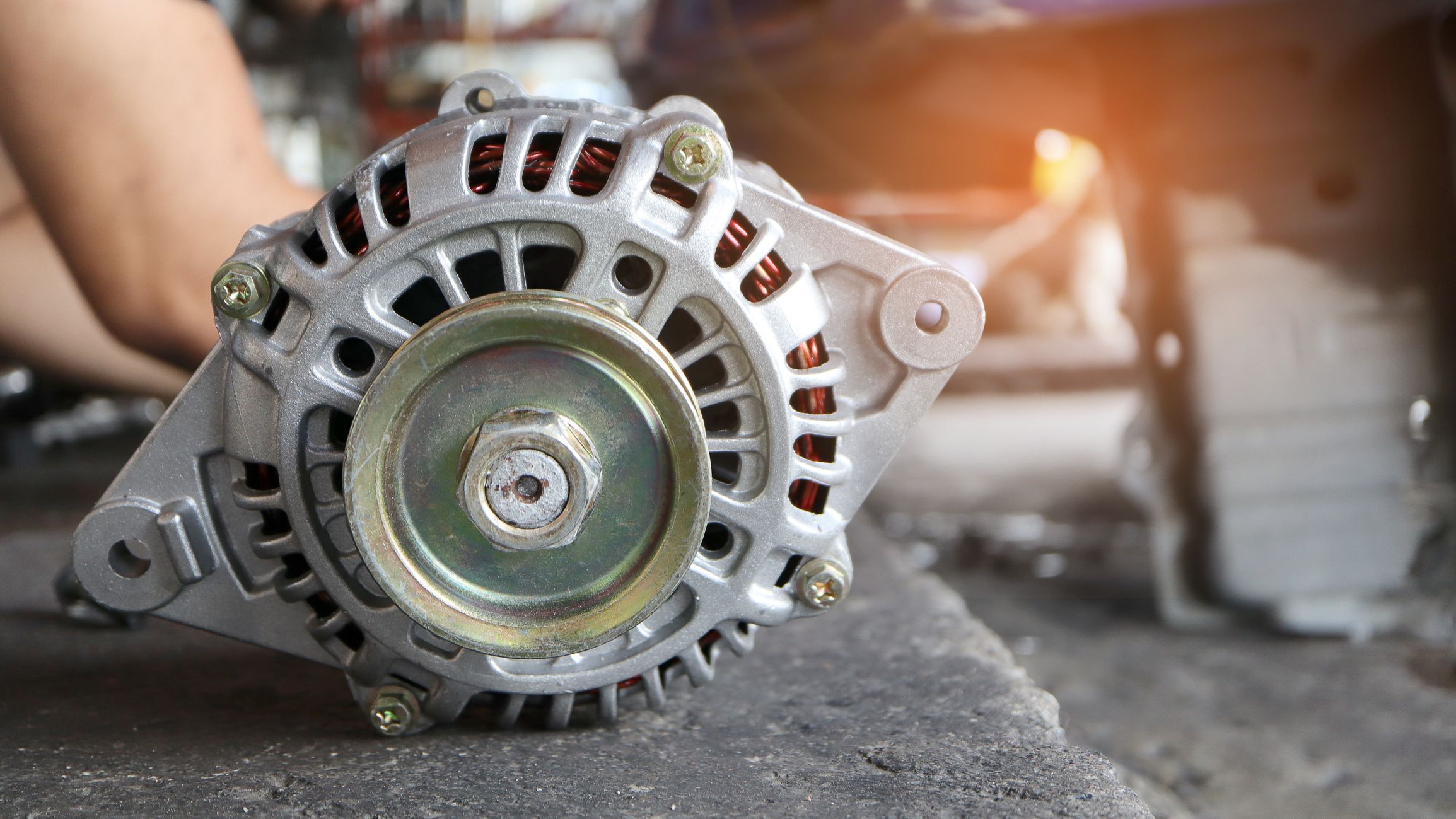
Once your car is running, the alternator recharges your battery and supplies power to nearly all of your vehicle’s electrical components. To accomplish this, it turns rotational mechanical energy into electrical energy often via a belt and pulley system. Inside the alternator, spinning parts create electrical current, which helps keep everything from your headlights to your dashboard electronics working — all while keeping the battery charged.
Signs of a Bad Car Battery vs. Alternator
At first glance, it may be difficult to differentiate between the signs of a bad battery vs. alternator, but once you know what you’re looking for, general troubleshooting can be a breeze.
Symptoms of a Bad Battery
Standard car batteries generally last about three to five years. After that, they’re on borrowed time. A dead battery can leave you stranded (if you’re able to start your car at all), so watch for these signs of a failing battery:
- Clicking sound when trying to start your engine
- Slow cranking, which may sound like “rurr, rurr, rurr” when trying to start your vehicle
- Illuminated check engine or check battery light
- Swelling or bloating of the battery case
- Sulfur or rotten egg smell. If your battery smells like this, it’s probably leaking, and you should get it replaced ASAP.
If your battery seems fine but your engine still won’t start, your starter could be to blame. Check out the 6 signs of a bad starter before replacing your battery.
Symptoms of a Bad Alternator
Alternators typically last much longer than batteries, but can still fail early. A failing alternator puts all your vehicle’s electrical demands on the battery, which can’t sustain the load for long. Once the battery is depleted, your vehicle will shut off, leaving you stranded. To prevent this, watch out for these signs of a bad alternator:
- Illuminated battery dashboard light
- Low or abnormally high reading on the voltage gauge while driving (if equipped)
- Repeatedly dead batteries
- Dim, overly bright, or surging lights
- Underpowered or malfunctioning accessories (windows, radio, seat warmers, etc.)
- Whining, grinding, or growling noises under your hood
- Burning rubber smell
If you experience one or more of these warning signs, it may be time for a repair. Firestone Complete Auto Care offers maintenance and repair services to help pinpoint the issue and get your vehicle running smoothly again.
What Symptoms Do a Bad Battery and Alternator Have in Common?
Several warning signs show up, whether the battery or the alternator is the actual problem. Dim or flickering lights, a slow crank, a car that won't hold a charge, and a battery that keeps needing a jump can all point to either component. Sometimes, both parts start to fail at once if one places extra strain on the other for a while. Because the symptoms overlap, it’s important to have your car checked by a professional to identify the true problem.
What Does It Mean If Your Battery Warning Light Comes On?
The battery light on your dashboard usually indicates a charging system issue rather than a problem with the battery alone, which could mean a failing alternator, a loose connection, a weak battery, or a damaged voltage regulator. If the light comes on and stays on while you're driving, you should get the charging system tested soon. For a full breakdown of what the light indicates and what to check first, see our guide on what your battery warning light means.
Causes of a Bad Battery vs. Alternator
Even with regular care, batteries and alternators can wear out over time. Understanding the common causes behind each issue can help you prevent or catch problems early.
Causes of a Bad Battery
Many things can drain your vehicle’s battery, from driving habits to battery condition. Here are some common causes of battery failure:
- Age and Wear: As batteries age, they lose their ability to hold a charge effectively. Most standard car batteries naturally degrade over time, especially if not maintained.
- Extreme Temperatures: Hot weather can cause the battery fluid to evaporate, while cold weather can slow down the chemical reaction inside the battery. Both extremes make it harder for your battery to deliver the power the vehicle requires.
- Corroded or Loose Connections: If the battery terminals are dirty, loose, or corroded, the battery may not charge or deliver power properly. Ensure your wires and battery terminals are free of corrosion and gunk.
- Overusing Electric Accessories: Electrical components like interior lights, alarms, or chargers left plugged in can drain the battery, especially if the vehicle isn’t driven often.
- Frequent Short Trips: Short drives don’t give the alternator enough time to fully recharge the battery, which can wear it down over time.
- Long Periods Without Driving: If your car sits unused for long stretches, the battery can slowly discharge and become too weak to start your vehicle.
Causes of a Bad Alternator
While alternators are built to last longer than batteries, they can still wear out or sustain damage over time. Common causes of alternator failure include:
- Worn-Out Internal Components: Parts like bearings or brushes can wear out, reducing or disabling the alternator’s ability to generate power.
- Broken or Slipping Drive Belt: Most alternators rely on a belt connected to the engine to spin its internal parts. If this belt breaks or slips, the alternator can’t generate power.
- Contamination: If water, oil, or other fluids leak into the alternator, they can damage internal parts and cause the alternator to fail.
- Environmental Strains: Moisture, excessive temperatures, and vibrations can put extra strain on the alternator and cause it to wear out faster.
The Possibility of a Parasitic Drain
A battery that's dead every morning can look like an alternator problem, but it may be an abnormal parasitic drain rather than a charging failure. A parasitic drain is a battery drain that happens when the engine is off. If something in your vehicle keeps pulling power it shouldn't, the battery may lose charge overnight or over several days of sitting parked, even though nothing looks obviously wrong.
Common parasitic drains include a light that doesn't shut off (glove box, trunk, or interior), an aftermarket accessory or alarm system wired in incorrectly, a faulty relay stuck in the "on" position, or a component that fails to power down after you turn the car off.
Parasitic drains are worth exploring because they change how you address your “charging” problem. Instead of replacing the alternator, you track down what’s pulling power while your car is off and fix that.
How to Know If the Battery or Alternator Is Bad: Troubleshooting Tips
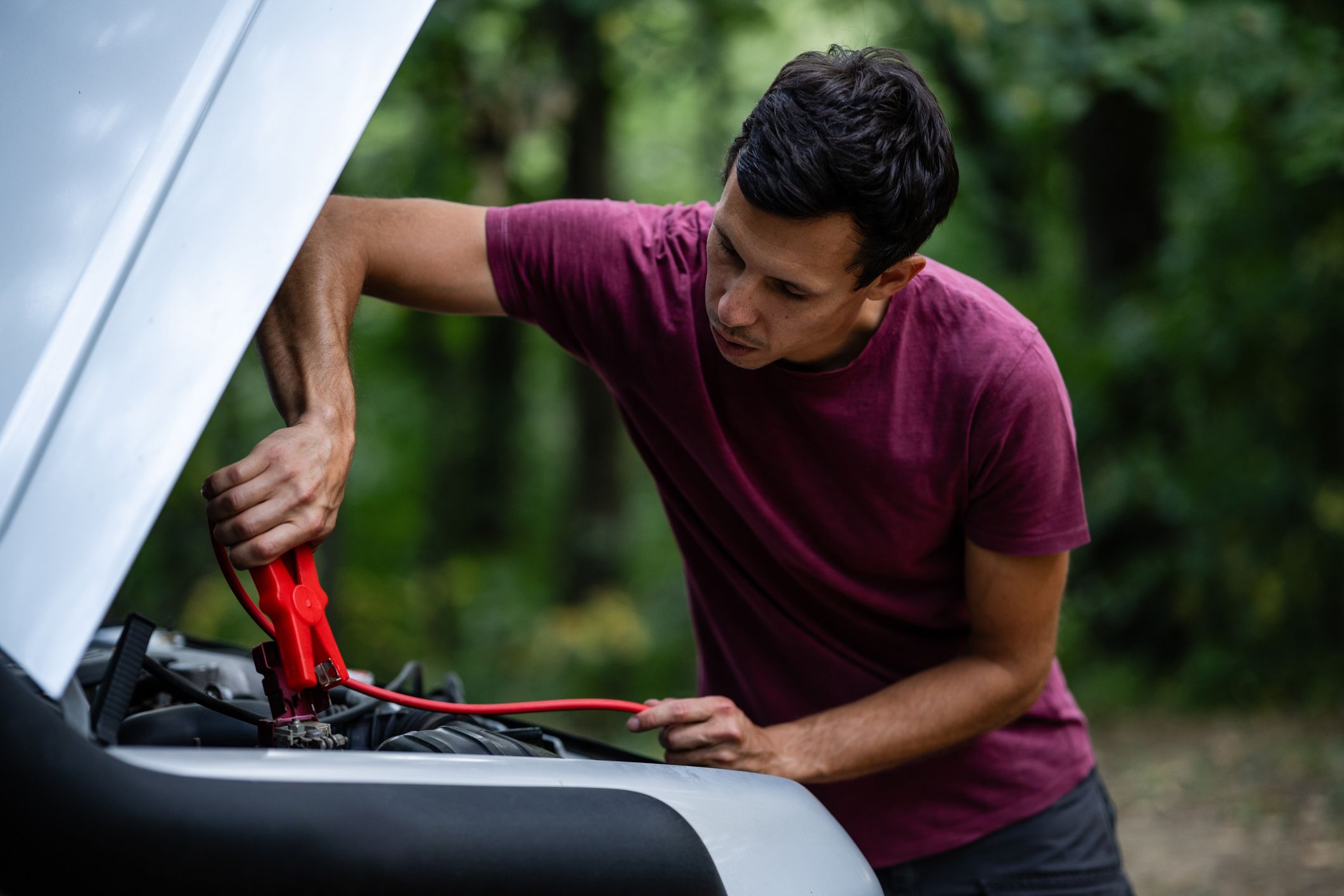
A simple test can help you figure out whether the battery or alternator is causing your problems. Connect jumper cables from a running vehicle’s battery to yours. After a few moments, try starting your vehicle. Once it’s started, remove the jumper cables.
- If your engine stalls, your alternator may have failed.
- If your engine continues to run, your battery or a draw may be the culprit.
Since root causes can extend to bad wires and switches controlling the alternator or battery, you should get your battery and alternator checked immediately at your nearest Firestone Complete Auto Care.
What's a Normal Battery or Alternator Voltage Reading?
If you have a multimeter, a voltage check confirms what the jump-start test suggests. A resting battery should read close to 12.6 volts, and most alternators should read 14.2 to 14.7 volts while the engine is running. Be aware that some modern alternators can range between 12.0 and 15.8 volts. A reading below that range can point to a charging or battery problem, and a reading above it could mean the alternator is overcharging. See ”Everything You Need to Know About Car Battery Voltage” for the full range of readings and what each one means.
Why Is Professional Car Battery and Alternator Testing Important?
A jump-start test and a voltage check are useful first steps, but they’ll only get you so far. A professional inspection covers more ground. It checks the battery's load capacity, the alternator's output at different engine speeds, the condition of the belt and connections, and whether an abnormal parasitic drain is pulling power when the car is off.
Professional diagnostics are especially useful when the battery and alternator are both declining, since replacing the wrong part first could mean paying for a repair only to continue having problems. A shop visit can also help you catch a failing part before it leaves you stranded, rather than after.
Trust Firestone Complete Auto Care to Diagnose the Problem
If you experience any of the symptoms of a bad alternator or battery, or you've reached the manufacturer-suggested maintenance limit for a service appointment, call on the professional technicians at your local Firestone Complete Auto Care. A professional inspection is the best way to determine which component is causing an issue. We’ll even help you find a new battery or alternator if needed. Schedule your appointment today!
Bad Alternator FAQs
How long will a car run with a bad alternator?
If your alternator fails, your car will only run for as long as the battery has a charge, which can be anywhere from a few minutes to about an hour or two. Once the battery is drained, the vehicle will shut off.
How do you fix a bad alternator?
In most cases, a bad alternator will need to be replaced. This job is usually best left to a professional, like the professional technicians at Firestone Complete Auto Care.
How do you screen-test your car's alternator?
You can test your alternator using a multimeter. A healthy alternator will output around 14.2 to 14.7 volts while your car is running, though this varies by manufacturer. If it’s too low (or too high), the alternator may not work properly. Many auto shops, including Firestone Complete Auto Care, will happily test your alternator for you.
Can you jump-start a car with a bad alternator?
Yes, but only temporarily. A jumpstart can get the engine running, but the car will stall again once the battery runs out if the alternator isn’t working.
Can a bad alternator mess up your battery?
Absolutely. A failing alternator can either overcharge or undercharge your battery, both of which can cause your battery to fail prematurely.
Bad Battery FAQs
How do you fix a bad battery?
Some battery issues — like corrosion on terminals or a loose cable — can sometimes be easy to fix. But if your battery won’t hold a charge or is more than a few years old, replacement is often the best solution.
How do you screen test your car battery?
Use a multimeter to check your battery’s voltage. A fully charged battery should read around 12.6 volts when the car is off. Firestone Complete Auto Care offers free battery testing so you can be sure of your battery’s condition.
Can a bad battery mess up an alternator?
Yes. If your battery is weak or failing, the alternator has to work harder to keep it charged. The extra strain placed on your alternator can cause it to wear out more quickly
--
Article Development Supported & Reviewed By:
Firestone Complete Auto Care’s Technical Operations Team
The Firestone Complete Auto Care’s Technical Operations Team is composed of ASE certified technicians with over 70 years of combined experience. ASE certification represents the highest standard of technical training in the automotive industry. Guided by Firestone Complete Auto Care’s rigorous editorial standards, our team delivers timely, detailed, and practical resources drivers can trust to keep their vehicles running newer, longer.