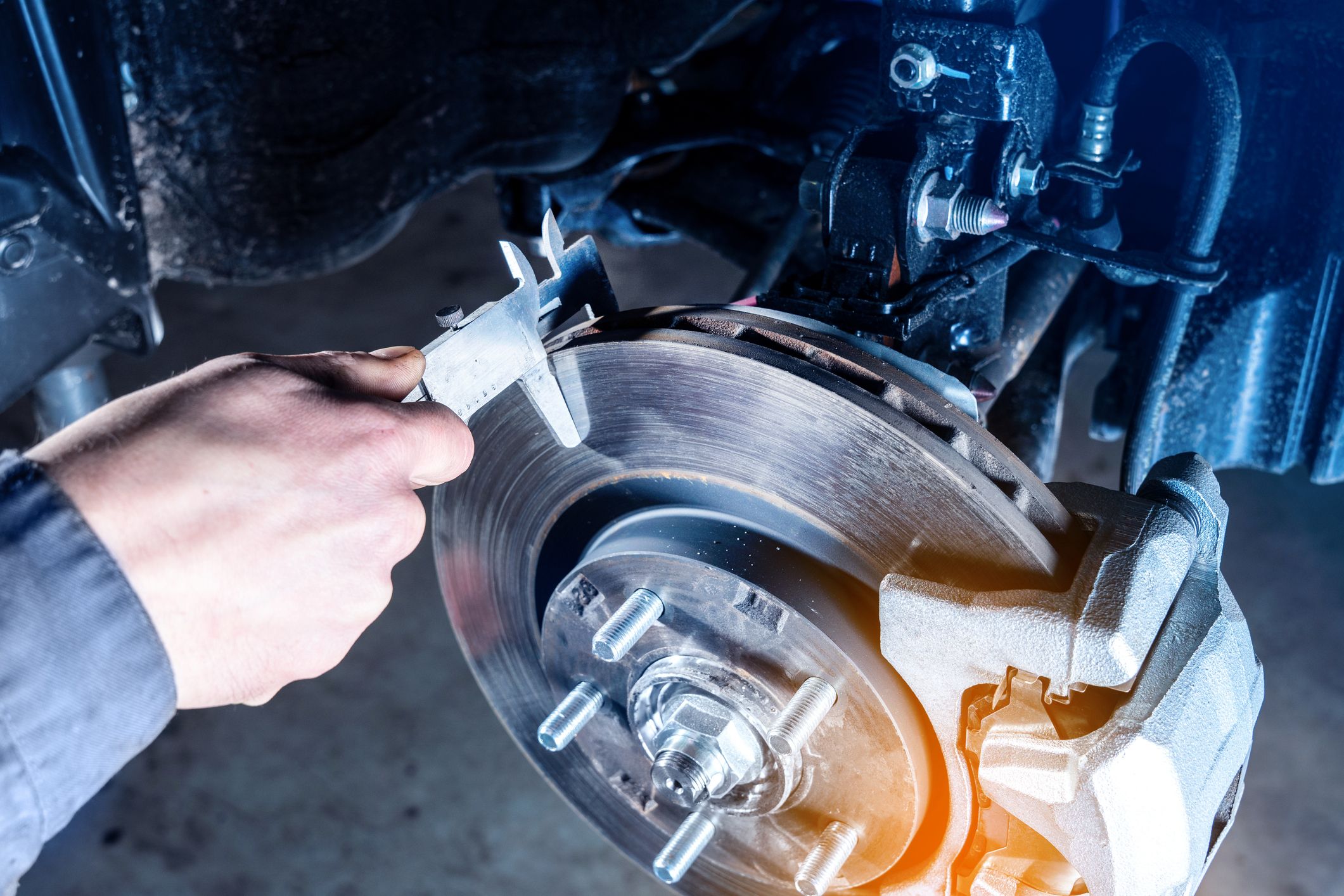
The brake master cylinder is the heart of your braking system. It pumps and pressurizes fluid to make the whole system work efficiently so you can maintain safe control on the road. It’s a critical component your car can’t do without, so we’re covering everything you need to know: what a master cylinder is and how it works, signs that yours may not be functioning as it should, and how to check the master cylinder and possibly repair it.
Key Takeaways
- The master cylinder is a critical component of the braking system, responsible for generating the hydraulic pressure that activates your vehicle’s brakes.
- A spongy brake pedal and visibly contaminated brake fluid can be common signs of a bad master brake cylinder.
- Brake master cylinder symptoms are commonly caused by brake fluid leaks, air in the brake lines, or worn internal seals on the master cylinder.
- Promptly have your vehicle inspected by a professional whenever you’re experiencing abnormal or unresponsive braking.
What Is a Master Cylinder?
The brake master cylinder is a critical part of your braking system that activates your brakes each time you press down on the brake pedal. It is located underneath the brake fluid reservoir and attached directly to your brake pedal by a pushrod.
The master cylinder is the central component that makes your whole braking system work—and is crucial to your safety on the road. Without it, your brakes wouldn’t receive the pressurized fluid necessary to activate your brake pads and slow down your wheels.
How Does a Master Cylinder Work?
The instant you press the brake pedal, the master cylinder sets your braking system in motion. A pushrod attached to the brake pedal activates a set of pistons housed in the cylinder, which pressurizes hydraulic fluid drawn from the brake fluid reservoir at the top of the master cylinder.
The hydraulic pressure from the pistons forces brake fluid through the brake lines, down to the front and rear brakes on your vehicle’s wheels. From there, the pressurized brake fluid activates the brake pads (disc brakes) or brake shoes (drum brakes), which create friction to slow your car.
5 Potential Symptoms of a Bad Brake Master Cylinder
Although master cylinders are designed to last the lifetime of a vehicle, worn-down seals and other internal issues can cause them to fail over time. Here are some common signs of a bad brake master cylinder:
1. Soft or Spongy Brake Pedal
A brake pedal that feels mushy or squishy rather than firm and responsive is often a telltale sign that there is air in your brake’s hydraulic system. This usually means air has entered the brake lines due to a worn-out seal or leak. The spongy feeling you get in the brake pedal is the result of trapped air in the brake system compressing much more easily than the hydraulic fluid when you push on the pedal.
2. Brake Pedal Sinks
When you hold your foot on the brake pedal at a red light, does the pedal slowly sink down to the floorboard? If so, your master cylinder likely has an internal leak. Worn-out master cylinder seals leak fluid and lose their ability to maintain the hydraulic pressure necessary to keep the brakes applied.
3. Inconsistent or Unresponsive Braking
If pressing the brake pedal stops your car one moment, then feels unresponsive or erratic the next, you may have a leaky or faulty combination valve near the master cylinder. The combination valve is responsible for distributing the appropriate hydraulic pressure to each of the four wheels across different braking scenarios.
4. Contaminated Brake Fluid
Healthy brake fluid is typically clear with a light golden hue, but a failing master cylinder can darken and contaminate the fluid with debris from deteriorating rubber seals and other internal components. Installing the wrong fluid can also cause the internal seals to degrade. Degraded brake fluid can clog brake lines and degrade seals, creating internal hydraulic leaks.
5. Brake Warning Light Illuminates
If the brake warning light appears on your dashboard, your car may have detected a serious issue with your braking system. This warning light is often triggered by a bad master cylinder that is leaking fluid or improperly pressurizing the front and rear braking circuits.
Always take a brake warning light seriously, as your braking may be compromised. Get warning lights diagnosed and your brake system checked by the professionals at your nearest Firestone Complete Auto Care so you can get back on the road safely.
EXPLORE OUR BRAKE REPAIR SERVICES
How to Check the Master Cylinder
While a full diagnosis should be performed by a trained Firestone Complete Auto Care technician, here are a few things you can check to help determine if your master cylinder may need repair:
Visible Fluid Leaks
Checking for leaks is a quick way to assess the condition of your master cylinder. Inspect the brake fluid reservoir under the hood to see if the fluid level is unusually low. In addition to a possible leak, a low fluid level may indicate the brakes are worn and need an inspection. You'll also want to examine the metal body, cap, and brake line connections closely for any wetness or hydraulic fluid buildup that may indicate a leak.
Brake Fluid Condition
Monitor the color and consistency of your brake fluid to gauge the health of your master cylinder's internal rubber seals. Pop open the reservoir cap and inspect the fluid: fresh brake fluid is typically clear with a light yellow or amber tint. If the fluid appears dark or has tiny black particles floating in it, it could be that the master cylinder's seals are breaking down and contaminating the system, or the wrong fluid was previously installed. This means it’s time for a system inspection and likely a fluid replacement service.
Checking brake fluid levels and the condition of your master cylinder is just one part of the complete vehicle inspection available at Firestone Complete Auto Care. Schedule an appointment today and get a complete picture of your car’s health for peace of mind on the road.
Pedal Feel
Whether the brake pedal feels stiff or spongy, testing pedal response is a good way to check for master cylinder issues that may not be showing up as an external leak. With the engine running and the car safely parked, press down firmly on the brake pedal and hold steady pressure for 15 to 30 seconds. If the pedal feels spongy right away or steadily sinks toward the floorboard the longer you hold it, the master cylinder is likely failing to maintain internal hydraulic pressure.
How to Tell If Your Brake Master Cylinder is Bad
Faulty master cylinders are typically replaced rather than rebuilt. However, here are some of the most common causes of master cylinder failure:
- Worn internal seals: worn seals allow brake fluid to escape and air to enter the braking system, causing the brake pedal to sink or feel spongy under pressure.
- Contaminated brake fluid: Dark, debris-filled fluid indicates that internal rubber components are degrading the brake fluid and the cylinder’s ability to pressurize it.
- Corrosion: Moisture absorbed by old brake fluid can create internal rust and pitting on the cylinder wall, damaging seals and causing fluid leaks.
- Age-related wear: Over time, natural wear and tear reduces the cylinder's ability to maintain hydraulic pressure.
Get Your Master Cylinder Checked By the Pros at Firestone Complete Auto Care
If your brake pedal feels soft, sinks toward the floor, or your vehicle isn't responding the way it normally does when braking, it's important to have the entire braking system evaluated. Because braking issues often involve multiple components, a complete brake system evaluation helps ensure the correct repair is made, and your vehicle maintains safe, reliable stopping power.
Firestone Complete Auto Care's free brake inspections—available with an eligible coupon—include a test drive, a brake fluid check, and a visual inspection of the brake components near the engine, undercarriage, and wheels to help identify issues with critical components. Stop by your local Firestone Complete Auto Care today!
Brake Master Cylinder Frequently Asked Questions
Can You Drive with a Bad Brake Master Cylinder?
No. A faulty brake master cylinder can lead to an unpredictable braking response or a complete loss of braking control. Avoid driving with a failing master cylinder and have your vehicle towed to a repair shop as soon as possible.
Can a Bad Master Cylinder Cause Brakes to Fail?
Yes. Because the brake master cylinder generates the hydraulic pressure that applies force to your brakes, internal seal failure or leaks from a bad master cylinder can cause a decrease in stopping power or even total brake failure.
What Causes a Brake Master Cylinder to Fail?
Brake master cylinders most commonly fail due to worn internal seals, contaminated brake fluid, internal corrosion, or normal age-related wear. As seals deteriorate, brake fluid can leak internally or externally, reducing hydraulic pressure and affecting braking performance. Regular brake fluid service can help protect the master cylinder and other hydraulic brake components from premature wear.
Does a Bad Master Cylinder Cause a Soft Brake Pedal?
Yes. A failing brake master cylinder can cause a soft or spongy brake pedal. When the master cylinder's internal seals wear out, they may allow brake fluid to bypass the pistons or let air enter the hydraulic system, making the brake pedal feel less firm and reducing braking performance.
How Much Does It Cost to Replace a Master Cylinder?
Expect a brake master cylinder replacement to cost several hundred dollars, with some estimates ranging from $600 to over $900, depending on vehicle type, cost of labor, and other fees.
--
Article Development Supported & Reviewed By:
Firestone Complete Auto Care’s Technical Operations Team
The Firestone Complete Auto Care’s Technical Operations Team is composed of ASE certified technicians with over 70 years of combined experience. ASE certification represents the highest standard of technical training in the automotive industry. Guided by Firestone Complete Auto Care’s rigorous editorial standards, our team delivers timely, detailed, and practical resources drivers can trust to keep their vehicles running newer, longer.