Key Takeaways
- A flashing check engine light is more urgent than a steady one. It signals a more serious issue, often an active engine misfire that requires immediate attention.
- Some common causes could include worn spark plugs, faulty ignition coils, a failing oxygen sensor, catalytic converter damage, or a malfunctioning EGR system.
- Unburned fuel from misfires can quickly damage the catalytic converter, leading to costly repairs if the problem isn’t addressed promptly.
- Do not continue driving with a flashing check engine light. Get to a repair shop as soon as possible.
- Professional diagnostics are required to identify the exact cause, since multiple systems can trigger the check engine light.
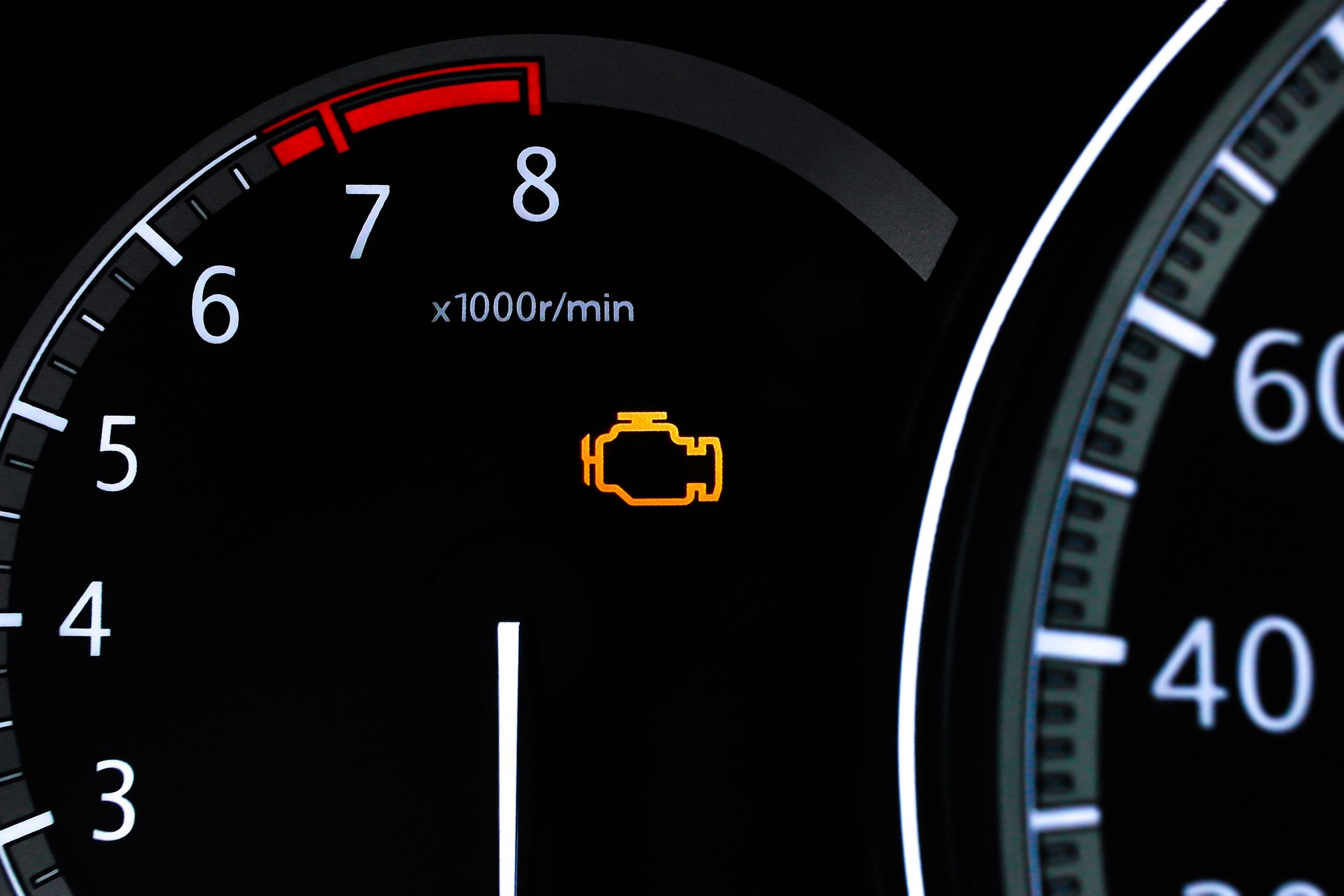
You turn your key in the ignition or push a start button, and your vehicle roars to life as expected, but this time you notice something new: your check engine light keeps coming on and off or flashing repeatedly. You’re used to seeing a solid warning light when something’s wrong, so a blinking one can feel extra alarming. And it is.
A flashing check engine light is your car’s way of signaling something more urgent. In this guide, we cover what a flashing check engine light means, its most common causes, and what to do when you see it.
What Does It Mean If My Engine Light Is Blinking?
A flashing check engine light is very different from a solid one. It means there’s a more serious problem with your car, and ignoring the light can lead to severe damage to critical parts like your engine or catalytic converter. The best thing to do is head to your nearest repair center for professional diagnostics and service.
What Does a Flashing Check Engine Light Indicate? 5 Possible Causes
An intermittent check engine light can indicate several issues with your vehicle. Determining the root problem requires professional diagnostics, but here are 5 potential causes:
1. Engine misfire
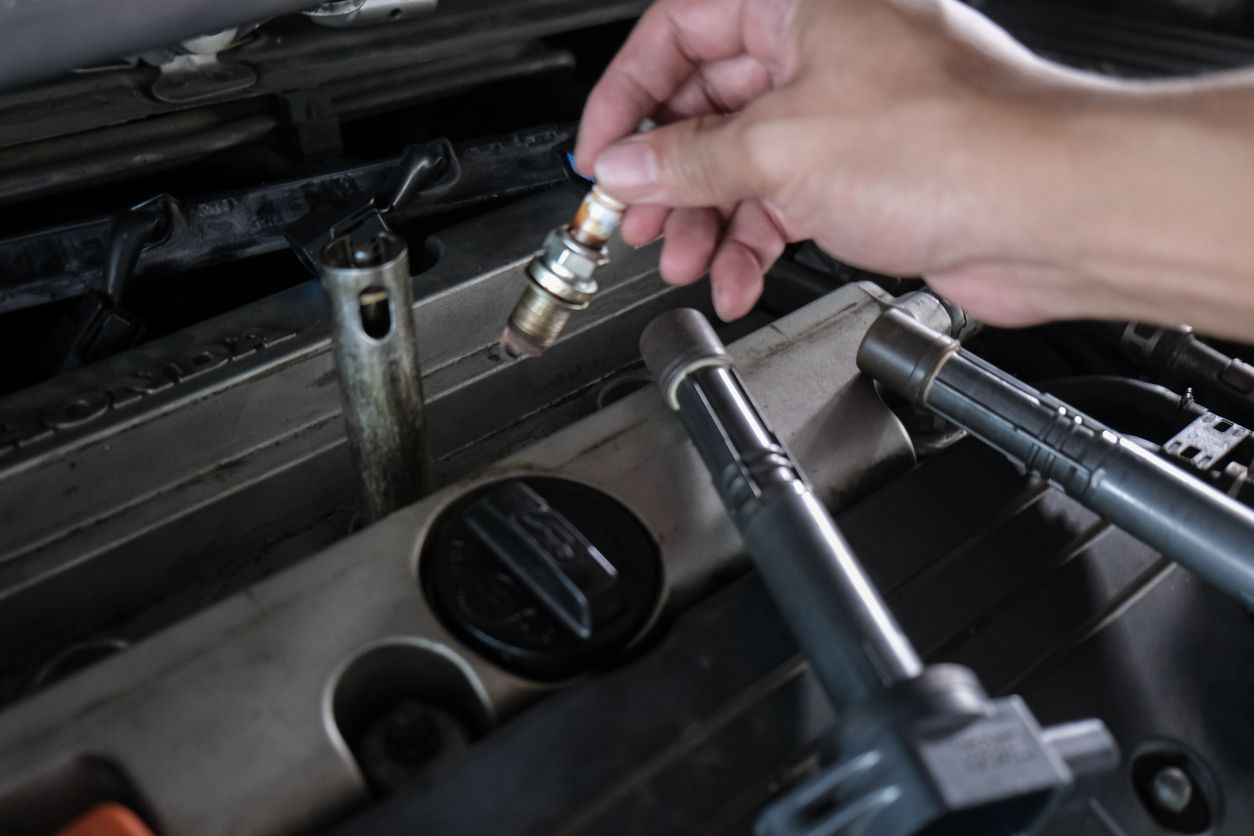
A flashing check engine light is most commonly caused by an engine misfire, which means one or more cylinders fail to fire properly during combustion. A misfire can happen if your spark plugs are worn out, your ignition coils are failing, or the spark plug wires are damaged. You can learn more about these causes in our guide to engine misfires.
When a misfire occurs, often unburned fuel passes directly into the exhaust system. This raw fuel can damage the catalytic converter and increase emissions. Misfires should be addressed ASAP because they can quickly lead to more extensive — and costly — repairs if left unchecked.
Signs that a misfire is the cause include popping or knocking noises, rough idling, and poor engine performance.
2. Catalytic converter issues
The catalytic converter reduces harmful pollutants before they exit the tailpipe. Repeated misfires, clogs, and overheating can put your catalytic converter at risk, affecting your emissions system and triggering a flashing check engine light.
If your catalytic converter is about to fail, you may notice reduced fuel efficiency, poor acceleration, and the smell of rotten eggs coming from the exhaust.
3. Faulty oxygen sensor
A faulty oxygen (O2) sensor can disrupt how your engine manages the air-fuel mixture by sending inaccurate data to the engine control module. When this happens, the engine may run too rich (too much fuel) or too lean (not enough fuel), leading to poor combustion and engine misfires.
4. Vehicle speed sensor problems
The vehicle speed sensor monitors your car's speed and communicates that information to various systems, including the transmission and the engine control module. If the sensor malfunctions, it can cause drivability issues that affect engine load and performance, potentially contributing to misfires and triggering the check engine light.
5. Malfunctioning exhaust gas recirculation (EGR) system
The EGR system helps reduce emissions by recirculating a portion of exhaust gases back into the engine to lower combustion temperatures. If the system becomes restricted or develops a leak, it can disrupt combustion, triggering the check engine light and signaling a more urgent issue that should be addressed quickly.
How to Fix a Flashing Check Engine Light
A flashing check light typically isn’t an issue that “fixes” itself on its own. You need to address the underlying cause as soon as possible, as this light means immediate risk of damage, especially to the engine, catalytic converter, or related systems.
To fix your flashing check engine light, drive to the nearest auto repair shop to have your vehicle inspected. A professional — like those at Firestone Complete Auto Care — can run the right diagnostics, find the problem, and provide you with a service plan.
Check Engine Light Flashing? Head to Firestone Complete Auto Care
A flashing check engine light is your vehicle asking for help. Don't ignore it. Visit your nearest Firestone Complete Auto Care for a diagnostic evaluation, and our technicians will identify the root cause, walk you through your options, and help you avoid the kind of costly repairs that come from waiting too long.
Flashing Check Engine Light FAQs
Can I drive with a flashing check engine light?
No, it’s not recommended that you continue driving with a flashing check engine light. If the light is blinking, it usually means you have a more serious issue with your vehicle, and continuing to drive it could lead to permanent damage to the engine, catalytic converter, or related systems, as well as unexpected breakdowns.
What to do when your check engine light flashes: Bring your car to your nearest Firestone Complete Auto Care for service right away.
What causes a flashing check engine light?
A flashing check engine light most often has something to do with engine misfires, whether that’s caused by a faulty oxygen sensor, vehicle speed sensor problems, or a malfunctioning exhaust gas recirculation valve. Misfires can also overheat or damage your catalytic converter, which can trigger the flashing light.
Will bad spark plugs cause the check engine light to flash?
Yes, bad spark plugs can cause a flashing check engine light. When your spark plugs are worn or damaged, they can’t reliably ignite the air-fuel mixture in the cylinder, leading to engine misfires that trigger the light.
Can a bad ignition coil cause a flashing engine light?
Yes. The ignition coil generates the high-voltage spark that ignites the air-fuel mixture in each cylinder. When a coil fails, the affected cylinder misfires, which in turn can cause a flashing check engine light.
Can bad gas cause a flashing check engine light?
Yes. Bad or contaminated gas can cause a check engine light to flash by causing engine misfires.
Can low oil cause a flashing engine light?
Low engine oil itself may not cause a flashing check engine light. It will likely trigger your oil light. However, low oil can cause components in your engine to wear and overheat, leading to misfiring and triggering a flashing check engine light.
Article Development Supported & Reviewed By:
Firestone Complete Auto Care’s Technical Operations Team
The Firestone Complete Auto Care’s Technical Operations Team is composed of ASE certified technicians with over 70 years of combined experience. ASE certification represents the highest standard of technical training in the automotive industry. Guided by Firestone Complete Auto Care’s rigorous editorial standards, our team delivers timely, detailed, and practical resources drivers can trust to keep their vehicles running newer, longer.